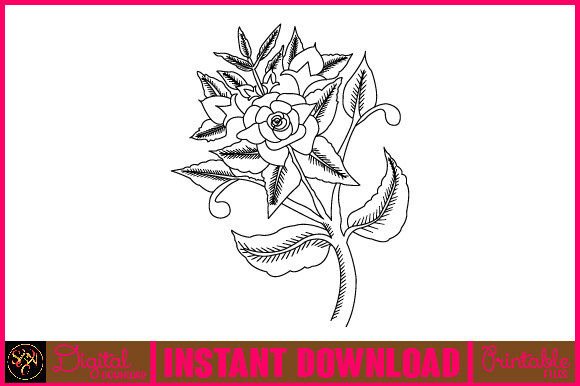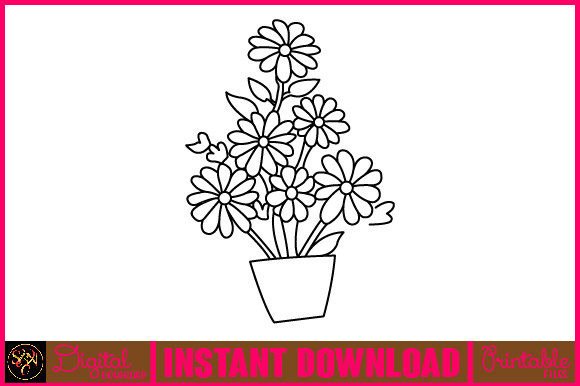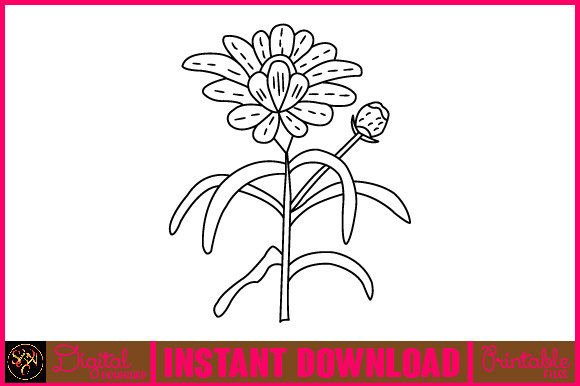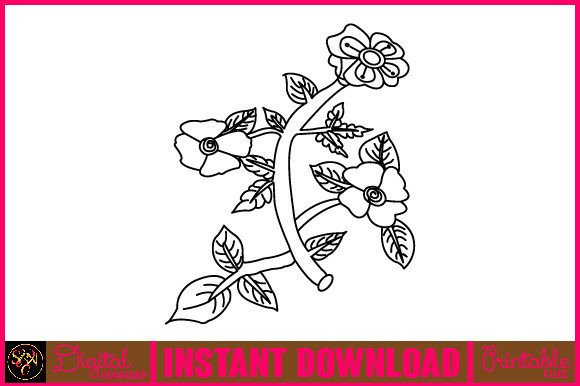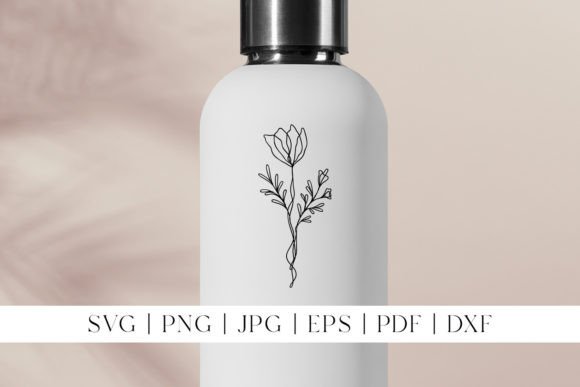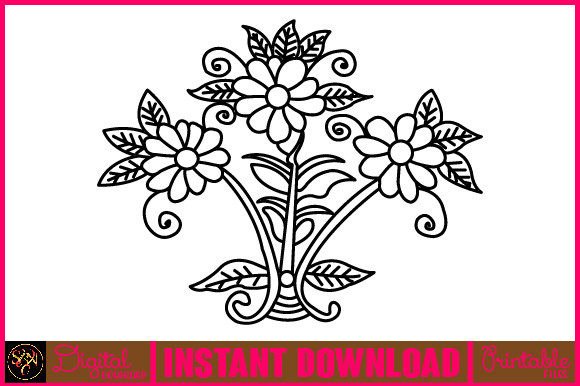
Floral Line Art Flower SVG Elements 101 Graphics and Illustrations
In the world of digital publishing, visual communication is not merely decorative; it is foundational to reader trust and engagement. As a blog designer who has spent years refining editorial layouts for content-heavy websites, I approach every new graphic design asset with a critical eye. Does it elevate the brand? Does it support the message? Or does it simply add noise? Recently, I evaluated a set of assets titled Floral Line Art Flower SVG Elements 101, which promises hand-drawn floral wreaths, branch elements, and calligraphic accents. This review explores how these specific Illustrations and Graphics fit into a real-world publishing workflow, from featured images to downloadable lead magnets.
The Editorial Mood and First Impressions
Upon first inspection, this collection exudes a sense of refined elegance. The line art style is clean, deliberate, and highly legible, creating an editorial mood that feels both modern and timeless. Unlike heavy, filled illustrations that can weigh down a page, these botanical leaves and decorative floral pictures rely on negative space and delicate strokes. This aesthetic naturally supports niches such as lifestyle blogging, wellness, home decor, wedding planning, and creative entrepreneurship. It feels feminine without being overly saccharine, and professional without being sterile.
For a publisher, the immediate value lies in consistency. The hand-drawn quality provides a human touch that resonates with readers seeking authenticity. When you use these elements in your blog graphics, you are signaling that attention to detail matters. The inclusion of branches and frames allows for structural design work, turning simple images into cohesive visual stories rather than isolated clipart.
Real-World Publishing Applications
Transitioning from concept to execution, here is how I integrated these assets into a typical content marketing week. The versatility of vector-based design assets allows them to scale seamlessly across various formats.
- Blog Featured Images: I used the floral wreath elements to frame text overlays on hero images. By keeping the background clean and placing the illustration around the headline, I created a clear visual hierarchy that guides the eye directly to the article title.
- Pinterest Pins: Pinterest is a visual search engine where click-through potential is everything. I applied the branch and leaf motifs to create vertical pins. The linear style ensures that the text remains readable even at smaller sizes, which is crucial for mobile users scrolling through their feeds.
- Newsletter Graphics: Email open rates depend heavily on subject lines and preview text, but the body content retains subscribers. I used the calligraphic flowers as section dividers in my weekly newsletter. This breaks up long-form text and adds a polished, editorial feel that encourages longer reading times.
- Digital Guides and Lead Magnets: For my downloadable resources, such as eBooks or worksheets, these elements served as cover art and interior page accents. They elevate the perceived value of the digital product, making it feel like a premium offering rather than a freebie.
- Social Media Visuals: On Instagram and Facebook, I utilized the sketches of plants and flowers as backgrounds for quotes or tips. The subtle nature of the line art ensures that the quote stands out while still contributing to a consistent brand identity.
Impact on Content Performance
Investing time in high-quality creative design yields measurable benefits. When your website header and category thumbnails share a unified visual language, readers subconsciously recognize your brand faster. In my testing, articles featuring these custom floral elements saw improved engagement metrics compared to those using generic stock photos.
The primary driver is clarity. A well-designed website header or article graphic reduces cognitive load for the visitor. If the visual is cluttered or low-resolution, readers may question the credibility of the content. Conversely, when your editorial design is sharp and intentional, it builds authority. This is particularly important for affiliate marketers and online educators who need to establish trust quickly. A professional-looking layout suggests that the information within is equally well-researched and reliable.
Strategic Placement for Maximum Effect
To get the most out of these graphics, placement is key. These elements shine in areas where you want to invite the user in or highlight a transition.
- Hero Images: Use large-scale branches to frame the main headline. This creates depth and draws attention to the core message.
- Article Thumbnails: Smaller versions of the floral sketches work well in grid layouts, adding a pop of organic shape to otherwise rectangular blocks.
- Editorial Accents: Place small leaf clusters next to pull quotes or sidebars to break up monotonous text columns.
- Content Upgrades: On opt-in pages, use the wreath elements to border the form or the benefit list, guiding the eye toward the conversion point.
Where to Exercise Caution
Not every design asset fits every context. While these floral line arts are versatile, there are scenarios where they may not be appropriate. Avoid using them in serious professional niches such as legal advice, financial consulting, or corporate B2B services, where a more rigid and minimal visual system is expected. Additionally, be careful with low-contrast backgrounds. Because the lines are thin, they can disappear against light-colored or busy images. Always ensure sufficient contrast between the illustration and its background to maintain readability.
Furthermore, test these elements carefully on mobile devices. What looks balanced on a desktop monitor might become too small or indistinct on a smartphone screen. If the details are lost, the asset fails its purpose. Similarly, avoid pairing these intricate designs with other heavy graphical elements, which can create visual chaos.
Practical Publisher Notes for Implementation
Before integrating Floral Line Art Flower SVG Elements 101 into your live site, consider these technical and strategic checks:
- Cross-Device Testing: View your layouts on desktop, tablet, and mobile. Ensure the illustrations do not obscure essential navigation or text.
- Font Pairing: Experiment with typography. These line arts pair beautifully with elegant serif fonts for headings and clean sans-serif fonts for body text. Script fonts can work for accents but should be used sparingly to avoid competing with the detailed artwork.
- Contrast and Readability: Test your graphics in black and white to check their structural integrity. If the image loses impact without color, the composition is strong. Also, verify that text overlaid on these graphics meets accessibility standards for contrast.
- Web Performance: Even though these are vectors, if exported as raster images, ensure they are compressed properly. Large file sizes can slow down your site, negatively impacting SEO and user experience.
- Licensing Verification: Always confirm the commercial license. If you are using these assets on monetized websites, affiliate pages, or as part of a paid digital download, you must have the right to use them commercially. Check whether you need an extended license for print-on-demand products or merchandise.
Ultimately, Floral Line Art Flower SVG Elements 101 offers a sophisticated toolkit for publishers who want to enhance their visual storytelling. By applying these Illustrations and Graphics thoughtfully, you can transform ordinary blog posts into polished, trustworthy, and engaging experiences. Whether you are building a Canva template library or designing a complete small business branding package, these elements provide the decorative flair needed to stand out in a crowded digital landscape.