Floral Watercolor Moon Clip Art Review
As a designer who spends more time than I care to admit staring at stitch density charts and debating thread color palettes, I approach every new asset with a healthy dose of skepticism. The embroidery market is saturated, and not everything that looks beautiful on a screen translates well to the needle. Recently, I came across Floral Watercolor Moon Clip Art, a graphic that promises a soft, ethereal aesthetic. My job was to determine if this piece has the structural integrity and visual clarity required for real-world application, or if it remains purely decorative in the digital realm.
This review focuses on practical utility. I am evaluating this asset not just as a static image, but as a potential component in custom apparel, boutique merchandise, and personalized gifts. The goal is to help you decide whether this design deserves a spot in your library before you commit to production.
First Impressions and Visual Mood
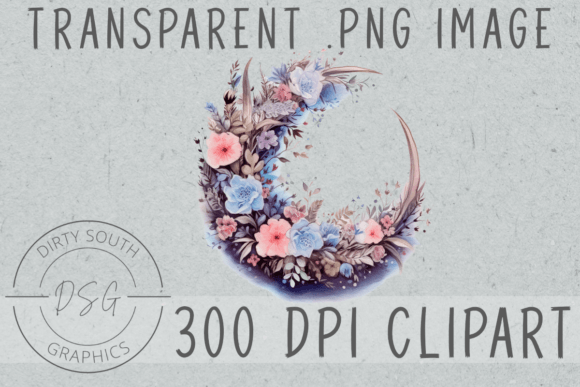
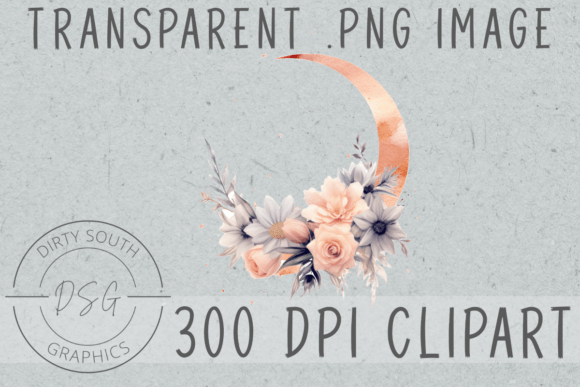
The immediate appeal of Floral Watercolor Moon Clip Art lies in its mood. It evokes a sense of calm, whimsy, and gentle elegance. The watercolor effect suggests fluidity and organic movement, which contrasts interestingly with the rigid, mechanical nature of machine embroidery. When viewed at high resolution, the detail level is impressive, offering enough nuance to feel hand-crafted rather than mass-produced.
However, the "watercolor" style presents a unique challenge for embroidery designers. Watercolors rely on subtle gradients, bleeding edges, and translucent layers—elements that do not exist in physical thread. To make this work, the digitizing process must interpret these soft transitions into distinct stitch patterns. If the design is used as-is without proper conversion, the delicate details risk becoming muddy blobs of color. But when executed correctly, the result can be stunning, capturing the dreamy essence of the original illustration while maintaining the tactile quality of thread.
Real-World Application Scenarios
To truly test the viability of this design, I imagined it in several common small business contexts. Here is how Floral Watercolor Moon Clip Art performs in specific use cases:
- Custom Apparel and Sweatshirts: This design shines on oversized sweatshirts or lightweight cardigans. The romantic vibe pairs perfectly with bohemian or minimalist fashion trends. Placing the moon motif on the back yoke or center chest creates a focal point that feels intentional and artistic.
- Baby and Nursery Items: There is a natural fit here. For baby blankets, burp cloths, or nursery wall hangings, the soft pastel tones (assuming they are preserved in the final print or embroidery) create a soothing atmosphere. Parents often seek out designs that feel gentle and non-cluttered, making this a strong candidate for gift-giving seasons.
- Tote Bags and Aprons: A canvas tote bag featuring this design could easily become a bestseller on Etsy. The transparent background aspect mentioned in the product description is crucial here; it allows for clean placement over various fabric colors without awkward white boxes interfering with the aesthetic. It works well as a standalone statement piece on kitchen towels or aprons, adding a touch of sophistication to everyday items.
- Holiday and Seasonal Gifts: While not strictly Christmas-themed, the celestial theme fits beautifully with winter solstice aesthetics, autumn harvest themes, or even summer night festivals. Its versatility makes it a year-round asset rather than a seasonal one-off.
Technical Considerations and Stitching Challenges
Transitioning from a PNG image to an embroidered product requires careful planning. Since this is provided as a high-resolution PNG suitable for sublimation or printing, you must consider how it will be adapted for stitching. If you are converting this graphic into an actual machine embroidery design, you need to pay close attention to stitch density.
The intricate floral elements may require a combination of satin stitch for outlines and fill stitch for the petals. However, dense fill stitches can sometimes obscure the fine details of a watercolor-style image. To mitigate this, I recommend using a lighter stitch density where possible and ensuring that the underlying stabilizer provides enough support to prevent puckering, especially on stretchy fabrics like jersey knit.
Another critical factor is thread color contrast. The success of this design hinges on selecting threads that mimic the subtle shifts in the watercolor pigment. Using overly vibrant or solid colors might flatten the image, losing the depth that makes the original clip art appealing. Testing thread combinations on scrap fabric is non-negotiable. You want to ensure that the transition between the moon and the flowers reads clearly from a distance.
Where to Use With Caution
While this design has broad appeal, there are scenarios where it may not perform as intended:
- Small Hoop Sizes: Attempting to fit the full complexity of this design into a tiny hoop (such as those used for socks or small wristbands) will likely result in lost detail. The fine lines of the watercolor effect may disappear entirely.
- Textured or Thick Fabrics: On heavily textured materials like terry cloth or thick denim, the smooth gradient look of the design may get lost. The fabric texture competes with the design’s subtleties.
- Dense Stitch Areas: If the digitized version includes large areas of heavy stitching, the fabric may become stiff and uncomfortable. This is particularly important for items worn directly against the skin, such as baby clothes or underwear tags.
- Curved Surfaces: Applying this flat graphic to curved surfaces like baseball caps or fitted hats requires careful reshaping during digitization. Without proper adjustment, the circular moon shape may appear distorted.
Impact on Brand and Customer Perception
In the world of handmade products and Etsy seller listings, presentation is everything. Using a high-quality asset like Floral Watercolor Moon Clip Art signals professionalism. It shows that you have invested time in curating designs that resonate emotionally with buyers. Customers often associate detailed, aesthetically pleasing designs with higher value, allowing you to position your small shop product at a premium price point.
Furthermore, the versatility of this design supports brand consistency. Whether you are creating a line of personalized gifts or expanding into commercial embroidery projects, the cohesive look helps build recognition. Buyers who appreciate the style in one product are more likely to return for others, fostering loyalty.
Practical Designer Notes
Before integrating this asset into your workflow, keep the following tips in mind:
- Test on Scrap Fabric: Always run a test stitch-out on the exact fabric you plan to use. Check how the threads interact with the material’s weave and color.
- Review Stitch Density: Ensure the digitized file does not have excessive underlay or topstitching that could overwhelm the delicate nature of the design.
- Check Licensing: Verify the usage rights. Confirm whether the license allows for commercial use of finished goods, especially if you intend to sell the final embroidered items on platforms like Amazon Handmade or local craft fairs.
- Use Proper Stabilizer: Choose a stabilizer that matches the fabric weight. Cut-away stabilizers are generally safer for woven fabrics to maintain long-term durability, while tear-away may suffice for stable cottons.
- Inspect Small Details: Zoom in on the digital preview and then examine the physical sample. Look for any jagged edges or missing pixels that could translate poorly into thread breaks.
In conclusion, Floral Watercolor Moon Clip Art is a versatile and visually striking asset that can elevate a wide range of embroidery projects. Its success depends largely on thoughtful execution—choosing the right threads, stabilizers, and fabric backgrounds. For designers looking to add a touch of romance and elegance to their craft business, this design offers a strong foundation for creating memorable handmade products.