Watercolor Floral Book Clip Art Graphics & Illustrations
I have spent over a decade working with brand owners, publishers, and creative agencies, which means I see thousands of design assets before I approve one for a real client project. When a new graphic design asset lands in my inbox, my first question is never just about aesthetics; it is about utility. Does this illustration hold up under pressure? Can it scale? Does it feel authentic or like cheap clipart?
Recently, I reviewed the Watercolor Floral Book Clip Art collection to determine if it was suitable for a high-stakes branding project for a boutique stationery line. Below is my professional assessment of how these Illustrations perform in the wild, specifically for designers, marketers, and small business owners who need reliable design assets.
The First Impression: Mood and Visual Weight
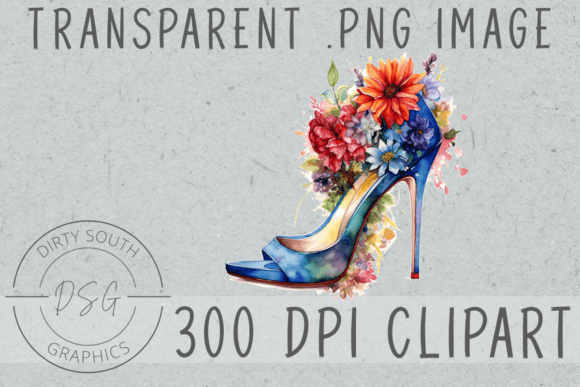
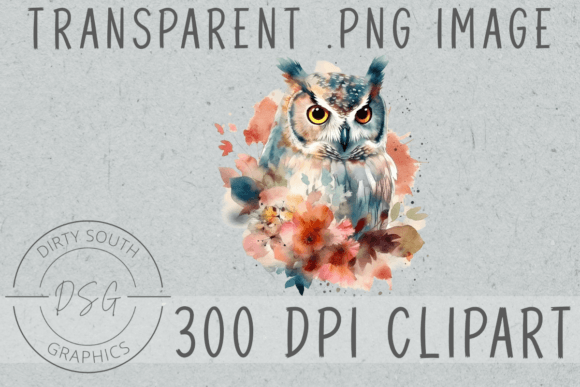
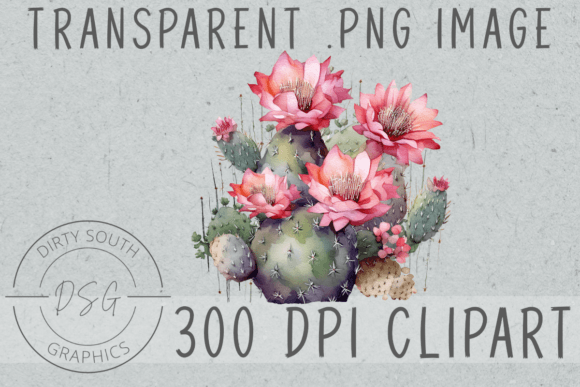
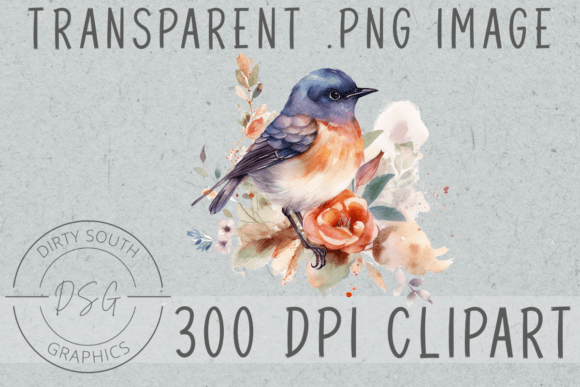
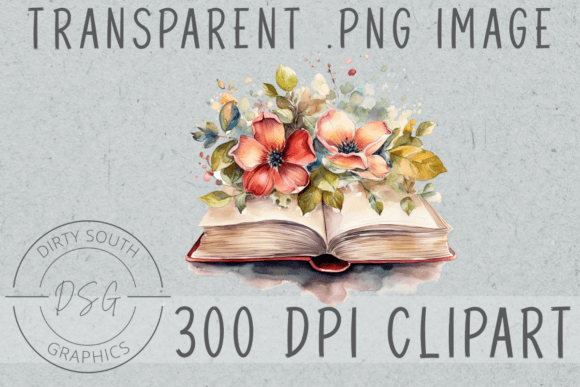
When you first load the Watercolor Floral Book Clip Art, the immediate takeaway is its soft, organic texture. Unlike flat vector shapes that can sometimes feel sterile, these Grahpics carry the unpredictable bleed of actual watercolor paint. This creates a mood that is approachable, feminine, and artisanal. It feels less like a digital file and more like a scanned piece of physical art.
For a client project involving handmade goods, wedding invitations, or lifestyle branding, this visual weight is crucial. It adds instant emotional appeal without requiring complex layout adjustments. The colors are vibrant yet muted enough to sit comfortably alongside serif fonts or elegant script typography. It does not scream for attention; instead, it invites the viewer in, which is exactly what you want in marketing visuals where trust and aesthetic pleasure drive conversion.
Technical Specifications and File Integrity
As a designer, I cannot stress enough how important file specifications are. This collection provides 300 dpi in color sublimation transparent background .png clipart. For those of us working in print, 300 dpi is the gold standard for crisp output. These files are at least 2500×2500 pixels in size, which gives us significant breathing room for resizing without introducing pixelation or jagged edges.
However, there is a critical distinction to make here. This is NOT an SVG file. It is Not a CUT file. This is a PNG Image, suitable for printing and use for sublimation, but it lacks the editable node structure of a vector. If you are using software like Adobe Illustrator to manipulate individual brush strokes, this asset will not work for you. You must treat it as a raster image. This limitation actually makes it perfect for specific workflows, such as sublimation design on apparel or mugs, where the detailed color gradients of the PNG format shine brighter than a limited-color vector cut file ever could.
Real-World Application in Client Projects
In my recent review for a boutique skincare brand, I tested how these floral elements integrated into their packaging design. Here is where the Watercolor Floral Book Clip Art truly excels:
- Packaging Design: The transparent background allows the florals to layer seamlessly over textured paper backgrounds or solid pastel colors. They look like they were painted directly onto the box, elevating the perceived value of the product.
- Social Media Graphics: For Instagram posts and Pinterest pins, these Illustrations serve as excellent hero graphics. Their high resolution ensures they look sharp even when viewed on Retina displays. They break up text-heavy layouts and add a touch of elegance that stops the scroll.
- Print-on-Demand: Because these are high-resolution PNGs, they are ideal for print-on-demand sellers. Whether creating t-shirt design concepts or sticker design sheets, the detail level holds up well against the limitations of DTG (Direct-to-Garment) printing.
- Editorial Design: Bloggers and publishers can use these as decorative accents within articles. They soften the reading experience and align well with lifestyle, wellness, and fashion content.
It is also worth noting that while this is a PNG, many users confuse raster images with SVG design files used for cutting machines. If you are a Cricut user looking to cut vinyl for a sign, this file will not work out of the box. You would need to trace it manually or use a different asset. However, for Canva template creation or digital downloads, the PNG format is often preferred because it preserves the exact color fidelity intended by the artist.
Strategic Placement and Hierarchy
Using Watercolor Floral Book Clip Art requires a designer’s eye for balance. These elements are visually rich and should be treated with respect in your composition.
Where It Works Best
These assets thrive in large layout areas where their details can be appreciated. They make stunning decorative accents around borders or corners of invitations and flyers. In brand identity projects, they can serve as supporting brand elements that reinforce a handmade, organic vibe. They are particularly effective in product mockups, where placing a floral element next to a bottle or book cover instantly suggests quality and care.
Where to Use Carefully
Conversely, there are places where this asset might struggle. Avoid placing these florals in very small sizes, such as favicon applications or tiny social media avatars. The intricate watercolor details will turn into muddy blobs. Similarly, be cautious in crowded layouts. If your design already has heavy text, bold geometric shapes, and multiple competing elements, adding a complex watercolor illustration can create visual noise.
Furthermore, these illustrations do not fit every brand voice. If you are designing for a corporate tech startup or a minimalist financial firm, the organic, messy nature of watercolor might undermine the message of precision and stability. In such cases, stick to clean, geometric Graphics. Also, ensure you check contrast on light and dark backgrounds. Watercolors can sometimes get lost on white backgrounds if the opacity is too low, so testing in black and white is a smart step to verify legibility.
Practical Designer Notes for Commercial Use
Before integrating Watercolor Floral Book Clip Art into any commercial design, keep these practical checks in mind:
- Test Print Quality: Always print a sample page. Digital screens can lie about color accuracy. Ensure the sublimation colors translate well to your chosen material, whether it is fabric, ceramic, or paper.
- Inspect Transparency: Verify that the PNG transparency is clean. Look for halos or jagged edges around the petals. A clean edge is non-negotiable for professional-looking composites.
- Font Pairing: These florals pair beautifully with serif fonts for a classic look, script fonts for a romantic feel, and handwritten fonts for a personal touch. Avoid overly rigid sans-serif fonts unless you are aiming for a deliberate contrast between modern and traditional.
- Commercial Licensing: Always confirm the commercial license terms. As a professional, I assume responsibility for ensuring my clients are protected. Make sure you have the right to use these design assets for end-product sales, such as selling printed journals or branded merchandise.
Final Verdict
The Watercolor Floral Book Clip Art is a versatile and high-quality addition to any designer’s toolkit. It bridges the gap between digital convenience and analog charm. While it is not a substitute for custom vector work, it offers a speed and aesthetic depth that is hard to beat for seasonal campaigns, Etsy products, and small business branding. If you understand its limitations as a raster file and leverage its strengths in print and digital marketing, it can significantly elevate your creative design output. For anyone looking to add a touch of botanical elegance to their digital product offerings, this is a solid investment.