Watercolor Floral Cowboy Hat Clip Art Graphics and Illustrations
In the world of digital publishing, the difference between a casual blog post and a polished editorial piece often comes down to visual communication. As a designer who has spent years optimizing content for readability, engagement, and brand trust, I look at every graphic design asset with a critical eye. We are not just filling space; we are building a visual hierarchy that guides the reader’s eye and establishes credibility before they even read the first sentence. Recently, I evaluated a specific asset titled "Watercolor Floral Cowboy Hat Clip Art" to see if it holds up in a real-world publishing workflow. Here is my review from the perspective of an experienced publisher.
The First Impression: Editorial Mood and Niche Fit
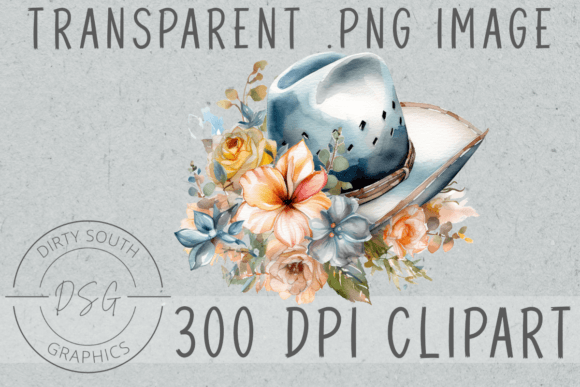
When you first load this asset, the immediate takeaway is its distinct aesthetic character. It is not merely a clipart image; it is a statement of style. The watercolor texture combined with the iconic cowboy hat silhouette creates a mood that is simultaneously rustic, feminine, and artistic. For content creators in the lifestyle, bohemian, western fashion, or creative entrepreneurship niches, this illustrations element provides an instant anchor for the page’s tone.
The soft edges of the floral elements contrast beautifully with the structured shape of the hat, creating a balance that feels modern yet timeless. This is not a bold, corporate graphic, nor is it a playful cartoon. It sits comfortably in the "modern design" category, offering a sophisticated touch that elevates the perceived value of your content. For bloggers and online educators, this visual cue signals that the content within is curated, thoughtful, and aesthetically driven. It supports a narrative that values creativity and personal expression, making it ideal for brands that want to appear approachable yet professional.
Real-World Publishing Applications
The true test of any design assets library item is its versatility across different media formats. In my testing workflow, I applied this PNG file to several common publishing scenarios to gauge its effectiveness.
- Blog Featured Images: The transparent background allows for seamless integration over various color schemes. When placed behind a headline, the watercolor texture adds depth without overwhelming the text, provided there is sufficient contrast.
- Pinterest Pins and Social Media Graphics: On platforms like Pinterest, where visual appeal drives click-through rates, this asset stands out. Its vertical-friendly composition and artistic flair make it perfect for pins promoting DIY guides, fashion tips, or creative workshops.
- Digital Guides and Lead Magnets: For those creating downloadable resources, this clip art serves as an excellent accent on eBook covers or worksheet headers. It transforms a standard document into a branded product, enhancing the brand identity of your lead magnet.
- Newsletter Headers: Email marketing requires clean, fast-loading visuals. Used sparingly as a decorative header or footer element, this graphic adds a personal touch to your content marketing emails without distracting from the core message.
- Website Banners and Category Thumbnails: If you run a multi-category blog, this image can serve as a unique thumbnail for sections related to crafts, fashion, or lifestyle, helping users navigate your site through strong visual hierarchy.
Technical Specifications and File Integrity
From a technical standpoint, understanding the file format is crucial for web performance and print quality. This asset is provided as a high-resolution PNG image, specifically noted as being 300 dpi in color sublimation quality. It measures at least 2500×2500 pixels in size. This resolution is significant because it ensures that the image remains crisp whether it is displayed on a large desktop monitor or printed as a physical flyer.
It is important to clarify what this asset is not. This is NOT an SVG file. Not a CUT file. This is a PNG Image, suitable for printing and use for subl (sublimation) projects. For digital publishers, this means you cannot easily recolor individual elements or scale the vector paths infinitely without potential quality loss if stretched beyond its native dimensions. However, for raster-based workflows—such as placing images in WordPress, Canva templates, or social media posts—the PNG format is robust and widely supported. The transparent background is a major advantage, allowing you to layer this creative design element over photos, solid colors, or textured backgrounds without unsightly white boxes.
Impact on Content Performance and Trust
Why does this matter for your bottom line? Visual consistency builds reader trust. When your website features cohesive, high-quality graphics, it signals professionalism. Using a generic, low-res clipart can undermine the authority of your content. By integrating a well-crafted editorial design element like this cowboy hat illustration, you enhance the overall user experience.
Stronger first impressions lead to longer dwell times. Clearer visual hierarchy helps readers scan content more effectively. Better click-through potential on social media drives more traffic back to your affiliate links or product pages. Furthermore, a consistent visual identity helps with category recognition, making your brand memorable in a crowded digital landscape. This asset supports these goals by providing a unique, artistic touch that distinguishes your content from competitors who may be using stock photography or basic icons.
Strategic Placement and Cautionary Notes
While this asset is versatile, it is not a one-size-fits-all solution. There are specific contexts where it should be used carefully.
- Small Mobile Thumbnails: Due to the intricate details of the watercolor flowers, the image may lose clarity when scaled down too small. Always preview how it looks as a tiny thumbnail on mobile devices.
- Text-Heavy Blog Images: Avoid placing dense blocks of text directly over the most detailed parts of the artwork. Ensure there is enough negative space or use a semi-transparent overlay to maintain readability.
- Low-Contrast Backgrounds: Test the image against both light and dark backgrounds. The subtle tones of the watercolor might get lost on a similarly colored background, reducing its impact.
- Serious Professional Niches: If you are writing for a corporate finance, legal, or medical audience, this playful, artistic style may feel out of place. Reserve it for lifestyle, creative, or consumer-focused content.
Practical Publisher Checklist
Before adding this commercial design asset to your library, consider the following steps:
- Test Across Devices: View the image on desktop, tablet, and mobile screens to ensure it scales appropriately.
- Check Contrast and Readability: Place your headline text next to or over the image to ensure legibility.
- Font Pairing: Experiment with different typography. This graphic pairs well with serif fonts for a classic look, sans-serif fonts for modernity, and script fonts for a feminine touch.
- Web Performance: Although the file is high resolution, optimize it for the web. Compress images properly to reduce load times without sacrificing visible quality.
- Commercial Licensing: Confirm your commercial license before using it on monetized websites, affiliate pages, or paid content products. Ensure you have the right to use it for digital download products or promotional materials.
Ultimately, the Watercolor Floral Cowboy Hat Clip Art is a powerful tool for bloggers, designers, and content creators looking to add a touch of artistic elegance to their digital presence. By understanding its strengths and limitations, you can leverage this asset to create compelling, professional-grade content that resonates with your audience and supports your business goals.